Significant Authorization in Aviation Training from DGCA to BAUN Edremit School of Civil Aviation
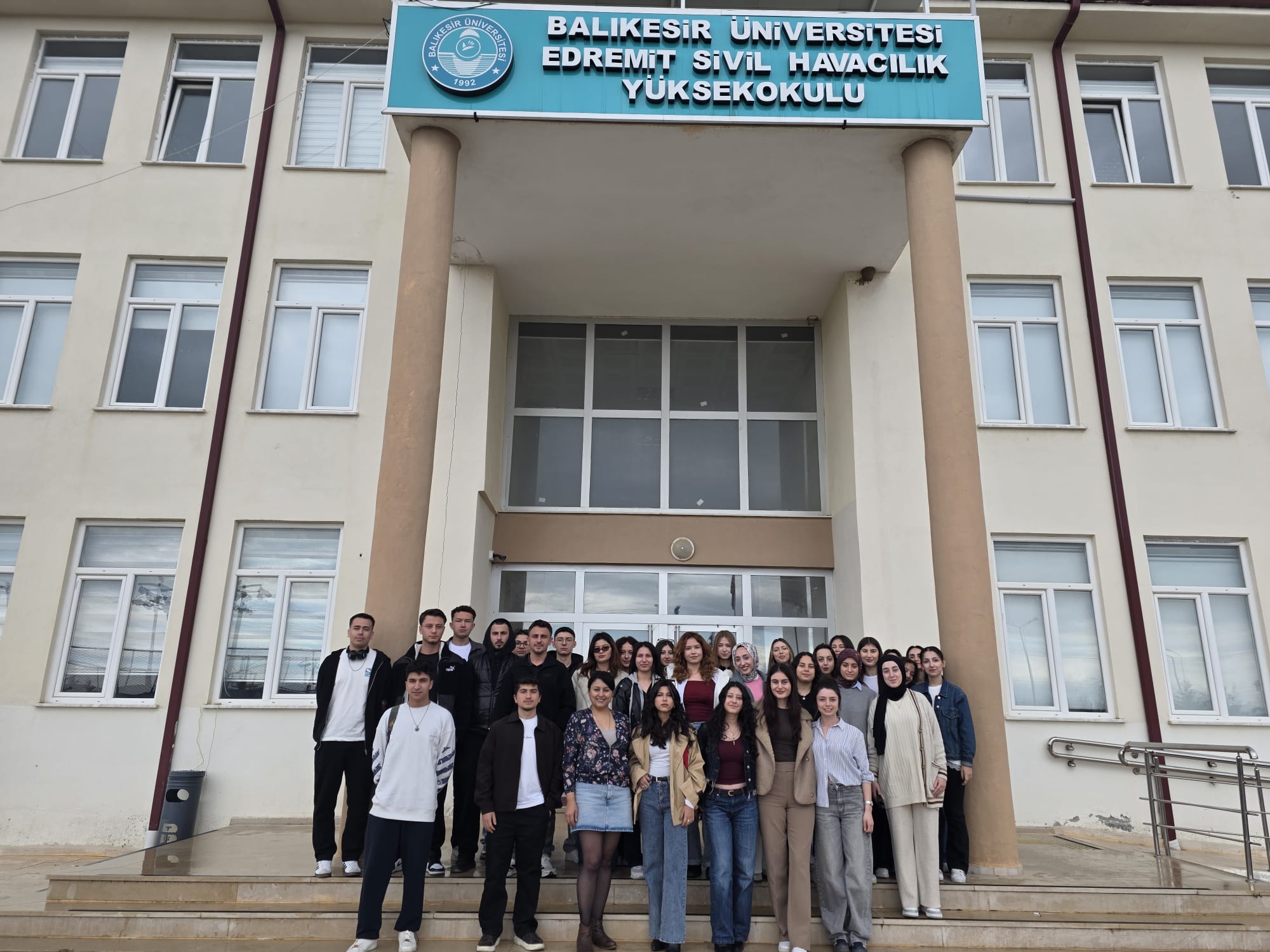
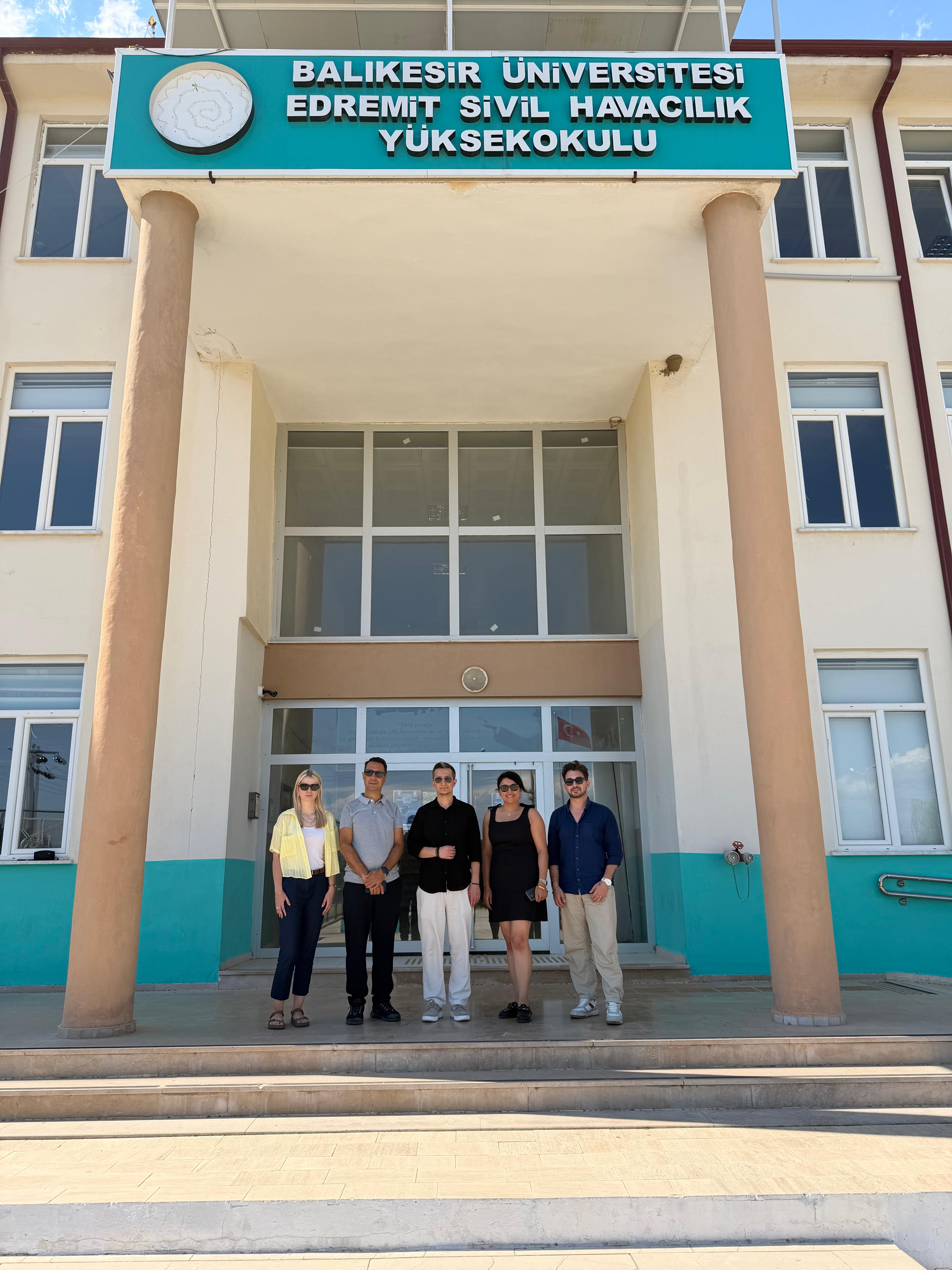
Balıkesir University Edremit School of Civil Aviation has been authorized as a Training Resource Provider (TRP) under the regulations of the Directorate General of Civil Aviation (DGCA), the competent authority in the field of civil aviation. With the completion of this process, the school has achieved another significant milestone in terms of regulatory compliance, institutional competence, and implementation capacity in civil aviation education.
The authorization demonstrates that the educational infrastructure, academic expertise, and alignment with sectoral requirements of Edremit School of Civil Aviation have been recognized by the relevant authority. It also contributes to ensuring that training processes are conducted in a more systematic, traceable, and qualified manner.
Within the scope of the process, under the coordination of Dr. Ebru Bağçı, Deputy Director of the School and holder of the Cabin Training Manager license, faculty members of the school were also authorized by DGCA in various training modules. Accordingly, Assoc. Prof. Dr. Seyhun Durmuş, Assist. Prof. Dr. Bülent Kurt, Assist. Prof. Dr. Gülaçtı Şen, and Assist. Prof. Dr. Aytekin Ulutaş were granted authority as DGCA-approved instructors in different modules.
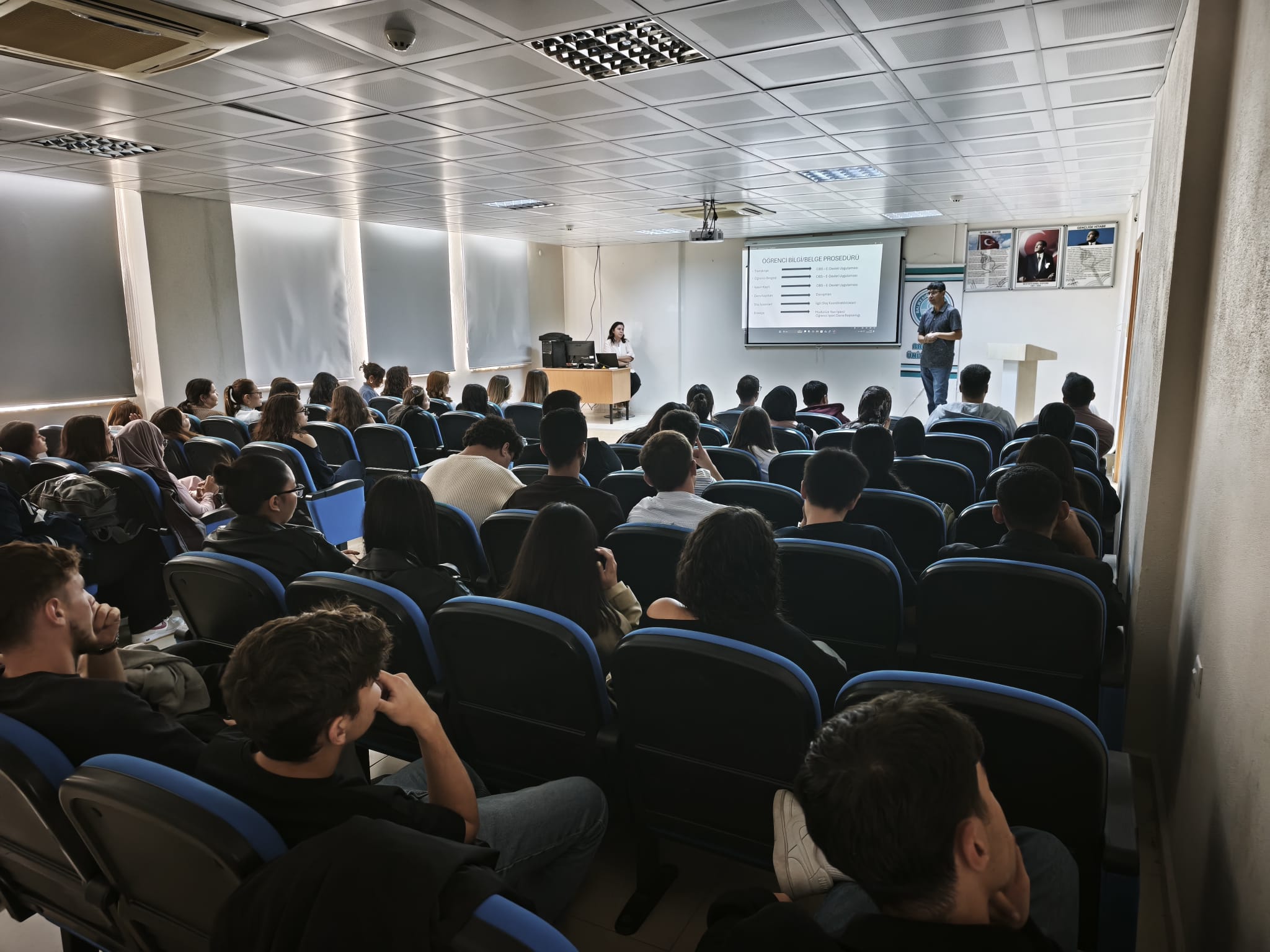
One of the tangible outcomes of the authorization process was the initiation of practices related to the mandatory “Introduction to Aviation” training, which is required for personnel working in various operational areas of the aviation sector. The first exam of this two-stage training was conducted on March 24, 2026, for Edremit School of Civil Aviation students. Thus, the school has gone beyond being merely an academic institution by actively contributing to equipping students with sector-required competencies and conducting official training processes.
In his evaluation of the development, Prof. Dr. Mehmet Sarıoğlan, Director of Edremit School of Civil Aviation, emphasized that the authorization of the school’s educational capacity within the framework of relevant regulations represents an important institutional achievement. Prof. Dr. Sarıoğlan highlighted that the school’s academic expertise, practical infrastructure, and quality-oriented approach were decisive in this process, and underlined their commitment to continuing an education model that prepares students more effectively for sectoral expectations, supports learning with practice, and prioritizes institutional development.